
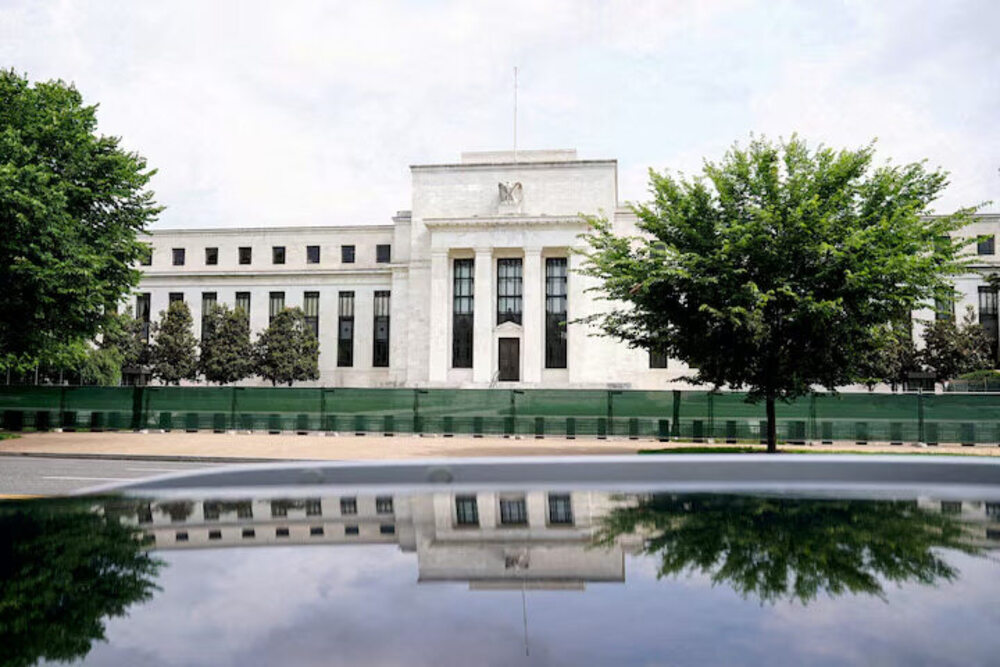
The global debt market is facing a fundamental reassessment of macroeconomic assumptions, forcing institutional investors to urgently recalculate risks for the remainder of 2026. At NEWSCENTRAL, we are observing a radical paradigm shift in the sentiment of Wall Street’s largest players: years of hope for a swift and painless easing of U.S. monetary policy have effectively been shattered. The long-term trend toward maintaining tight monetary conditions is becoming unavoidable amid a new wave of geopolitical and inflationary instability.
A symbol of this tectonic shift was the official statement by Japan’s Nomura Investment Bank, which completely ruled out any scenario of a Federal Reserve rate cut in 2026. Previously, the bank’s analysts had forecast two 25-basis-point reductions in September and December. Now, Nomura’s base case envisions a prolonged pause, keeping rates at the current 3.5-3.75% range through the end of December. According to NEWSCENTRAL experts, this move reflects an acknowledgment of an obvious reality: inflationary pressures in the U.S. economy have become structural and entrenched, making any easing measures premature and potentially damaging to the regulator’s credibility.
The main trigger for this sharp shift in forecasts was the latest macroeconomic data, which showed the U.S. consumer price index (CPI) accelerating to 3.8% year-on-year, while the core personal consumption expenditures (PCE) index rose to 3.5%. The primary catalyst behind the new wave of inflation is the ongoing war in Iran, which has caused major supply shocks in energy markets. As Freddy Miller, Senior Analyst at NEWSCENTRAL, notes, the current disruption in hydrocarbon supplies and the spike in fuel prices are already being called the largest shock in modern history, completely offsetting the disinflationary effects from the technology sector and AI developments. From our perspective, the illusion that this commodity surge is temporary has been decisively dispelled, as pro-inflationary risks are now seeping into the core components of the basket, including services and logistics sectors.
An additional factor reinforcing the Fed’s hawkish stance is the personnel change at the apex of the U.S. central bank. This week, Kevin Warsh officially assumed the role of Fed Chair, replacing Jerome Powell. While the White House has openly signaled expectations of a softer policy approach, harsh economic realities leave the new chairman with very little maneuvering room. Nomura analysts correctly note that even if Warsh personally favors a hypothetical rate cut to stimulate economic activity, the current disposition within the Federal Open Market Committee (FOMC) makes it impossible. At NEWSCENTRAL, we agree with our colleagues: the consensus among voting FOMC members has shifted deeply hawkish, leaving the new chair without enough votes to approve easing.
Moreover, the minutes from the April Fed meeting revealed an unprecedented split within the regulator’s leadership. Four members voted against keeping dovish language in the final statement the highest level of dissent since 1992. Most officials demanded the complete removal of any references to potential rate cuts. Instead, statements in Fed corridors increasingly point to readiness to resume rate hikes if inflation continues to deviate from the 2% target.
The capital markets reacted immediately to this pivot. Yields on short-term two-year and ten-year U.S. Treasury bonds surged, reflecting a repricing of money costs. According to current CME FedWatch futures data, the probability of rates remaining unchanged in 2026 has skyrocketed above 95%. Even more concerning, traders have started factoring in real tightening risks: the probability of a 25-50 basis-point rate hike by year-end is now nearly 44%, and by spring 2027, this exceeds 70%.
Summarizing the macroeconomic picture, NEWSCENTRAL notes that the global economy is entering a prolonged period of high interest rates, where the “higher for longer” concept is evolving into “higher for even longer.” The combination of a severe Middle East conflict and the arrival of traditionally conservative Warsh at the Fed’s helm creates a volatile mix for financial markets. Our forecast is grim for equity markets at historical highs: inflated stock multiples will inevitably face pressure from rising debt financing costs. As a key recommendation for institutional and private investors, NEWS CENTRAL analysts advise a comprehensive portfolio audit, emphasizing debt reduction, increasing allocations to high-duration fixed-income protective instruments, and hedging positions via commodity assets capable of absorbing geopolitical shocks. Hoping for monetary rescue from the Fed over the next twelve months is no longer a viable strategy.