
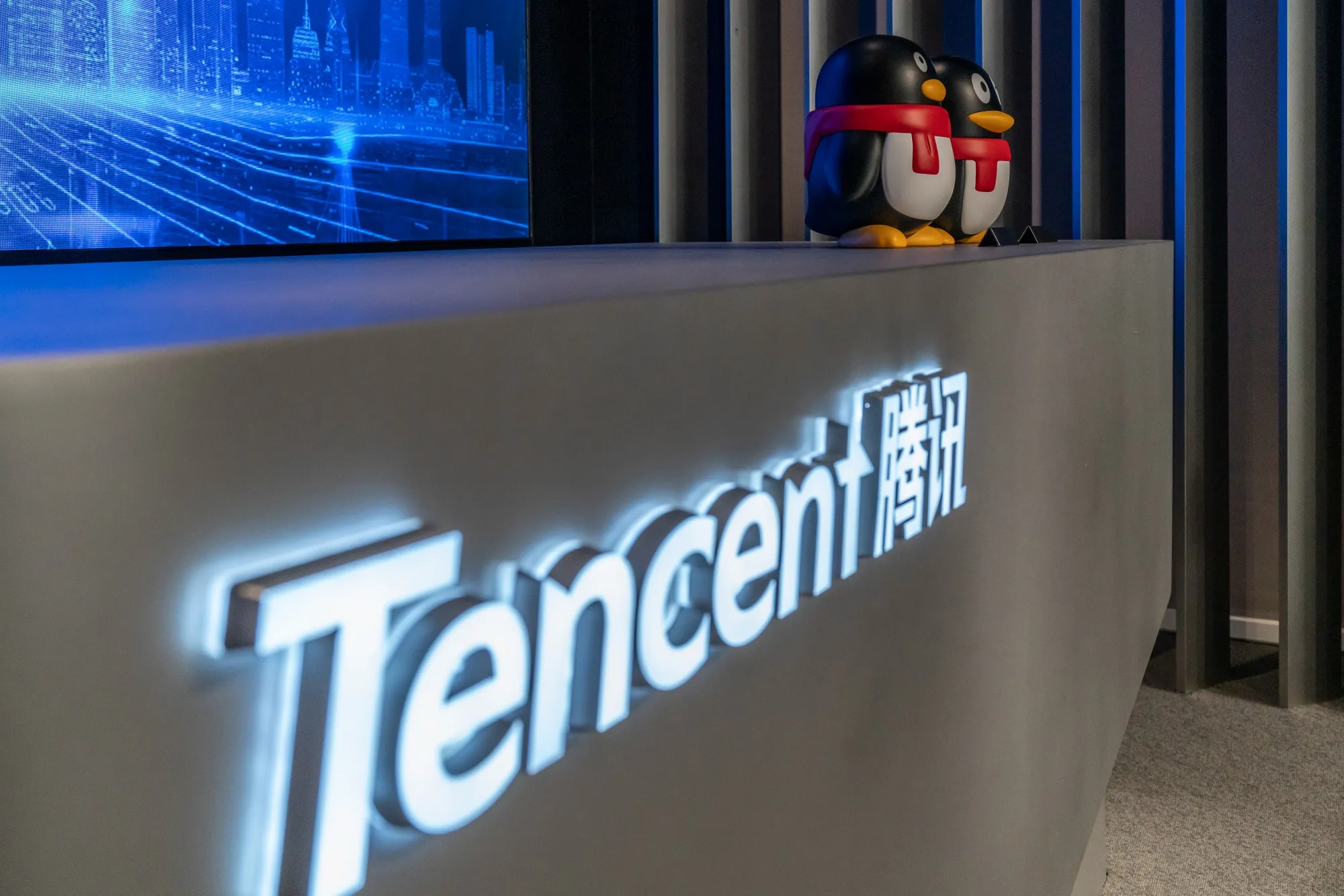
Tencent Holdings is negotiating exits from several minority investments in Japanese game studios, including listed developer Marvelous, as the Chinese technology conglomerate conducts a systematic reassessment of the global gaming portfolio it assembled during a wave of acquisitions around 2020. The company is evaluating holdings across multiple studios and is in some cases prepared to sell stakes back to the original management teams, even at a financial loss, in order to redeploy capital toward investments it views as better aligned with its current strategic priorities. The key criterion driving exit decisions is whether the synergies originally envisioned at the time of investment have materialized; where they have lapsed, the holdings are being treated as candidates for disposal. To NEWSCENTRAL, this portfolio review is a direct expression of the resource reallocation challenge facing every major technology company that built broad investment portfolios during the period of cheap capital and AI ambiguity, and is now navigating the moment when the AI race requires concentrated capital commitment rather than diversified minority exposure.
The 2020 acquisition wave that produced many of the holdings now under review had a coherent strategic logic at the time. Japanese game studios were trading at valuations that reflected modest domestic growth expectations rather than global IP potential, and Tencent – flush with capital and building toward a more diversified creative content portfolio – identified them as undervalued creative assets whose international distribution and production capabilities Tencent could enhance. Marvelous, known for the Story of Seasons and Senran Kagura franchises, was among the studios that fit this profile. The thesis was that Tencent’s distribution reach across Asian markets and its development resources could help smaller Japanese studios achieve scale they would struggle to reach independently. That thesis depended on a level of collaborative engagement that the holdings now under review did not ultimately achieve, and the synergies that justified the acquisition prices have not materialized to the degree that would make holding the stakes commercially rational in a capital environment that is now significantly tighter.
The broader pressures shaping Tencent’s portfolio decisions operate on two dimensions simultaneously. The gaming industry has experienced a prolonged post-pandemic correction after the surge in engagement and revenue that characterized 2020 and 2021. Investment in the sector has contracted globally as multiples have compressed and the market has become more skeptical of growth projections built during the exceptional conditions of the pandemic cycle. At the same time, Tencent is running to catch up with Alibaba Group and ByteDance in the capital-intensive AI race, where meaningful competitive position requires the kind of sustained, concentrated investment that peripheral minority stakes in underperforming game studios cannot justify when measured against the opportunity cost. Freddy Miller, Senior Analyst at NEWSCENTRAL, notes that Tencent’s willingness to incur losses on exits is analytically significant: it signals that management has concluded the redeployment value of the capital exceeds the option value of waiting for the studios to improve, a judgment that reflects genuine urgency around AI competitive positioning rather than routine portfolio housekeeping.
Tencent has been careful to distinguish between the holdings under review and the relationships it intends to maintain. Stakes in PlatinumGames and FromSoftware’s parent Kadokawa – the studio behind Elden Ring and the broader Dark Souls franchise – are described as unaffected, reflecting Tencent’s continued commitment to the most globally commercially significant IP relationships it has built in Japan. The company has also indicated it is shifting its approach with retained partners toward a co-production model rather than a passive minority investor role, increasingly seeking to orchestrate direct collaboration on title development, recruit creators jointly, and contribute development resources in ways that generate the synergies the earlier passive investment model failed to produce. The strategic direction is toward fewer, deeper, more productive creative partnerships rather than the broad, shallow portfolio of minority stakes accumulated during the acquisition wave.
The geopolitical dimension of Tencent’s gaming portfolio adds a layer of complexity that the Japanese studio exits do not fully resolve. The Trump administration has been engaged in internal discussions about whether Tencent should be required to divest its investments in American gaming companies, including its full ownership of Riot Games, its 35% stake in Epic Games, and other holdings. Those discussions have not yet produced a formal government action, and Tencent has publicly described gaming as core to its business and reaffirmed its commitment to the Japanese market specifically. Nathan Clark, Enterprise IT and Systems Architecture Analyst at NEWS CENTRAL, highlights that the intersection of geopolitical pressure on Chinese technology company investments in Western entertainment infrastructure and Tencent’s own internally-driven portfolio rationalization creates a situation where voluntary exits and involuntary ones may ultimately produce similar outcomes – but with significantly different implications for the prices Tencent is able to negotiate and the relationships it is able to preserve in the process. Managing that intersection carefully, while simultaneously funding an AI competitive program that requires substantial capital allocation, is the central strategic challenge Tencent faces in 2026.