
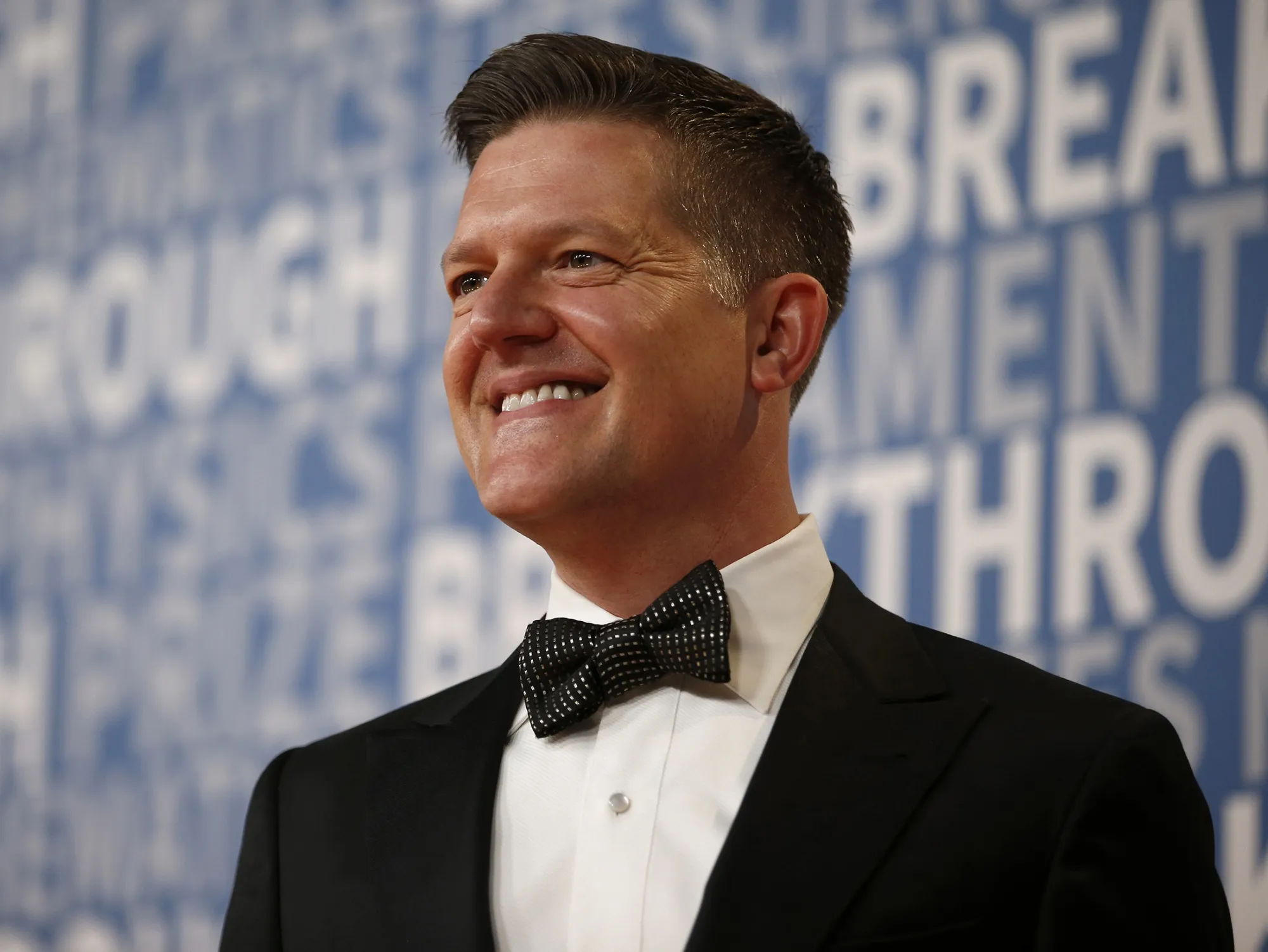
SpaceX disclosed in a filing with the Securities and Exchange Commission on Wednesday that Roelof Botha has been appointed to the company’s board of directors as an independent director, less than a week after the company completed its initial public offering – the largest ever recorded, raising $75 billion and resulting in a market capitalization of approximately $2.3 trillion. Botha, the former managing partner of Sequoia Capital, has been appointed to fill an existing vacancy on the board and will serve until SpaceX’s next annual shareholder meeting. He will also join the board’s audit committee. The addition brings SpaceX’s board to nine directors. We at NEWSCENTRAL consider this appointment a deliberate governance signal: the board composition of a $2.3 trillion newly public company is not accidental, and the selection of a director with Botha’s specific combination of public company governance experience, audit committee background, and two-decade personal relationship with Elon Musk reflects a precise reading of what the post-IPO SpaceX needs at the board level.
The personal and professional connections between Botha and Musk are substantive rather than incidental. Botha is South African by origin, as is Musk, and the two met when Musk hired Botha to run the finance division of PayPal in 2000, before Musk was removed as CEO of the company in September of that year. Botha has been with Sequoia since 2003, and Sequoia first invested in SpaceX in 2019 when the company carried a valuation of $36 billion. The firm subsequently participated in funding rounds that took SpaceX’s private valuation to $46 billion in 2020 and $74 billion in 2021. With approximately 1.5% of SpaceX heading into the IPO, Sequoia holds a position worth more than $34 billion at the offering valuation. In November 2025, Botha said publicly that SpaceX could ultimately prove more valuable than OpenAI, citing the company’s dominance in orbital mass transport – an assessment from someone who had seen SpaceX’s financials and competitive position up close through years of the firm’s investment relationship.
SpaceX’s filing describes Botha as bringing extensive public company experience along with deep audit committee experience, having served on the boards and audit committees of numerous public companies. That framing is deliberate: SpaceX is transitioning from a private company where financial scrutiny was limited to a handful of internal and investor relationships into a publicly traded entity whose financial reporting, governance structures, and internal controls are now subject to SEC disclosure requirements, shareholder scrutiny, and the ongoing attention of public market investors managing positions in the world’s most highly valued aerospace company. The audit committee appointment is particularly meaningful in that context – it places Botha at the center of the financial oversight function at precisely the moment when that function is being constructed from scratch for a public company environment. Freddy Miller, Senior Analyst at NEWSCENTRAL, argues that the audit committee placement also reflects a recognition that the governance questions SpaceX will face as a public company extend well beyond routine financial oversight. The company operates simultaneously as a commercial rocket launch provider, a satellite internet operator through Starlink, a defense contractor with significant government relationships, and a development program for the most complex rocket ever built. The audit committee of a company with that profile will be asked to exercise judgment on financial and operational disclosures that have no clear precedent in the existing public company landscape.
Botha stepped down as Sequoia’s managing partner in November 2025 following internal pressure related to comments made by a Sequoia partner during the New York City mayoral race. He retained an advisory role at the firm. His appointment to the SpaceX board fills a vacancy and does not represent a new seat created for the occasion, suggesting that SpaceX had been holding the position open in anticipation of the governance requirements that a public listing would impose. The existing board members include Musk confidants Ira Ehrenpreis, Antonio Gracias, Steve Jurvetson, and Luke Nosek, alongside SpaceX Chief Operating Officer Gwynne Shotwell, Google executive Donald Harrison, and venture investor Randy Glein. The addition of Botha provides the board with an independent director whose primary credential is financial oversight expertise rather than personal proximity to Musk or early investor loyalty.
The timing of the appointment – disclosed in an SEC filing within days of the IPO closing – follows a pattern common to large technology IPOs, in which governance structures are finalized and disclosed shortly after the offering as the company responds to the expectations of public market investors. For a company of SpaceX’s scale, the composition of the audit committee will be among the first things institutional investors examine as they evaluate whether the post-IPO governance framework meets the standards they apply to holdings of this size. Nathan Clark, Enterprise IT and Systems Architecture Analyst, points out that SpaceX’s governance challenge is compounded by the nature of its technology infrastructure: a significant portion of its operational and financial performance is tied to Starlink, whose satellite internet business model, competitive dynamics, and regulatory environment across dozens of jurisdictions require board-level oversight capacity that goes well beyond what a conventional aerospace company demands.
For NEWS CENTRAL, the more important question raised by this appointment is not who Botha is but what the board composition as a whole signals about the kind of public company SpaceX intends to become. A board dominated by Musk loyalists and early investors, with a single independent director added to fill a governance requirement, is a board structured for continuity of the founder’s vision rather than for independent challenge of it. Whether that structure serves the long-term interests of the public shareholders who now hold stakes in a $2.3 trillion company is the governance question that investors, regulators, and proxy advisors will be asking throughout SpaceX’s first year as a publicly traded entity.