
New survey data released Tuesday quantifies what had been visible anecdotally throughout 2026: the wave of corporate retreats from diversity, equity, and inclusion commitments has produced a measurable and sustained consumer response from LGBTQ+ buyers, and the brands most frequently named in connection with that retreat are absorbing real commercial consequences. The findings, covering a nationally representative sample of LGBTQ+ Americans, show that 71.5% report buying fewer products from companies they perceive as having reduced their inclusion commitments, 69.4% report refusing purchases from those businesses altogether at least some of the time, and 65% say they are intentionally directing purchases toward brands they view as genuinely supportive. For NEWSCENTRAL, the significance of this data is not the survey figures themselves but what they signal about the durability of consumer sentiment: this is not a short-cycle protest response but a sustained reorientation of spending behavior that has now been running for multiple quarters.
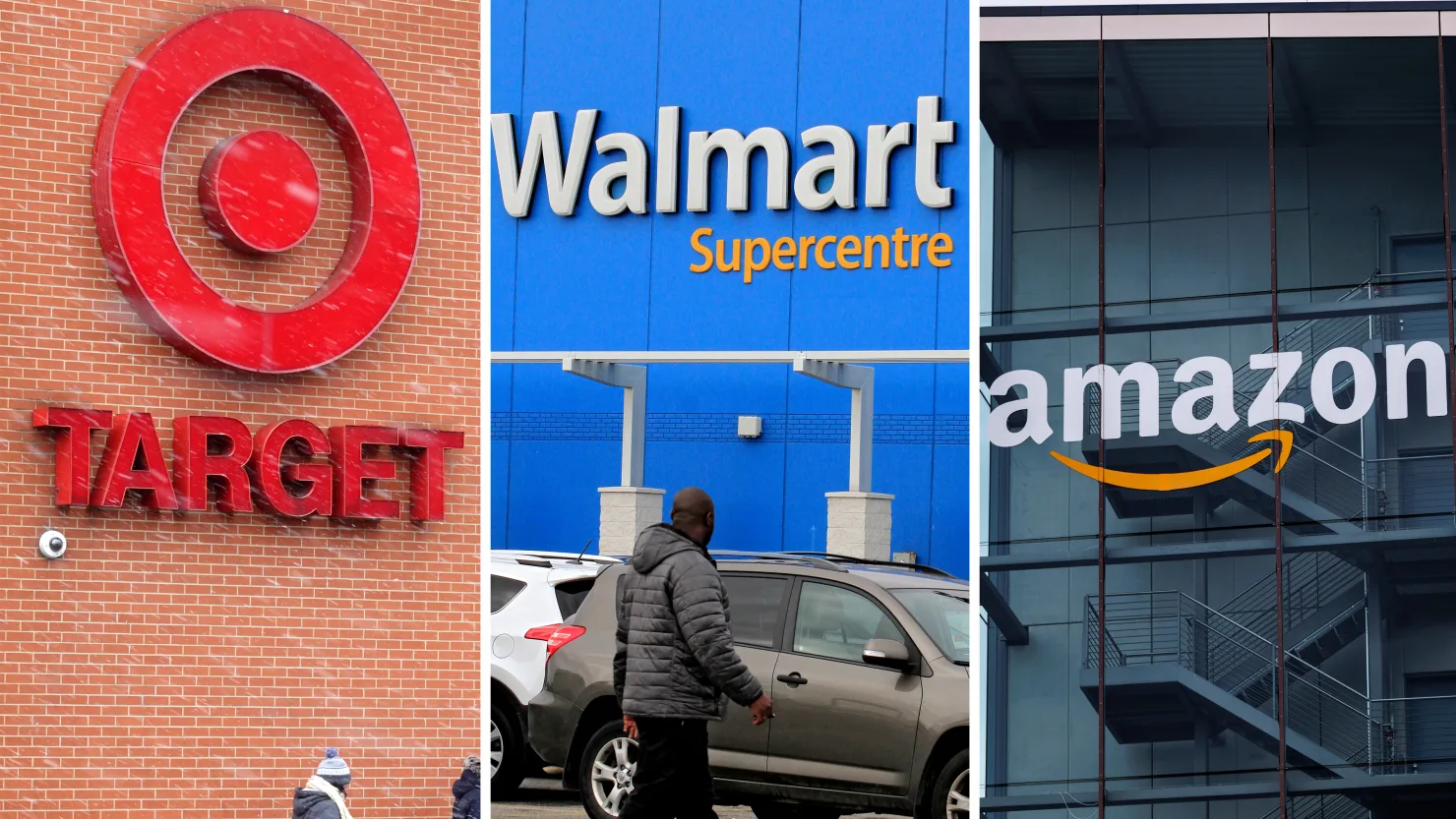
Target appeared most frequently in responses associated with reduced spending among LGBTQ+ consumers – a finding that reflects a compounding dynamic rather than a single decision. The retailer faced conservative-led backlash following its 2023 Pride Month merchandise campaign, which led it to curtail its visible LGBTQ+ engagement. That curtailment then triggered a progressive consumer response, with Democratic-identifying shoppers reducing their Target purchases roughly two years after their Republican-identifying counterparts had done the same over the same controversy. The result is a retailer caught in a sustained cross-directional squeeze: having lost credibility with one consumer bloc by displaying Pride merchandise, it subsequently lost credibility with another by removing it. Target’s stock fell 33% across the first three quarters of 2025, and the company replaced its CEO in February 2026. Walmart and Amazon also appeared frequently in reduced-spending responses, with Home Depot and Chick-fil-A also cited. Participation in the benchmarking index that measures Fortune 500 LGBTQ+ workplace policies dropped 65% in a single year, from 377 companies in 2025 to just 131 in 2026.
The commercial counter-narrative is equally clear in the data. Costco was the most frequently cited company among consumers who said they increased their spending – a direct consequence of the retailer’s decision to maintain its DEI commitments publicly despite sustained pressure from activist investors. Earlier this year, Costco shareholders overwhelmingly voted against a proposal that would have required the company to evaluate the risks of its DEI programs. Spending growth among Democratic-identifying consumers at Costco in the months following that vote was the strongest of any retailer tracked. Apple, Ben & Jerry’s, Delta, and Kroger were also among brands associated with increased LGBTQ+ consumer support. Freddy Miller, Senior Analyst at NEWSCENTRAL, notes that the Costco outcome represents the clearest available evidence that consistent corporate values, maintained visibly under pressure, function as a durable commercial asset rather than a reputational risk to be managed. The companies losing LGBTQ+ spending share did not lose it because of external events; they lost it because of their own policy decisions.
The scale of the spending power at stake makes the corporate risk calculus straightforward to articulate and apparently difficult to execute correctly. LGBTQ+ consumers represent an estimated $1.7 trillion to the U.S. economy, and their purchasing decisions are multiplied by allied consumers – family members, friends, and colleagues who adjust their own spending in response to the same corporate signals. One survey found that 80% of all respondents, not just LGBTQ+ identifying individuals, would be more likely to support brands that stand by their values under public pressure. That finding reframes the DEI commitment question from a niche audience management challenge into a mainstream brand trust issue.
The data arrives at a moment when the broader political and regulatory environment continues to generate pressure on corporate DEI programs. Several major companies have cited executive orders and government contractor requirements as drivers of their DEI policy changes. Amazon, in response to the survey findings, stated that it is fostering opportunities for employees and serving a diverse customer base. Target did not immediately comment. Nathan Clark, Enterprise IT and Systems Architecture Analyst at NEWSCENTRAL, underscores that the technology dimension of this dynamic is increasingly relevant: consumer spending shift data of the kind captured in this survey is now monitored in near real time by retail analytics platforms, meaning that the commercial consequences of corporate DEI decisions are no longer measured only in quarterly earnings but in continuously updated spending dashboards that are visible to investors, management, and competitors simultaneously.
The consumer spending data, taken alongside the 65% decline in Corporate Equality Index participation, tells a consistent story: corporations that treated DEI commitments as low-cost reputation management during favorable political conditions are discovering that unwinding those commitments carries commercial costs that were not part of the original calculation. To NEWS CENTRAL, the Costco case is the most instructive reference point available – not because its approach was ideologically distinctive, but because its commercial outcome was superior to that of companies that made the opposite choice under comparable pressure.