
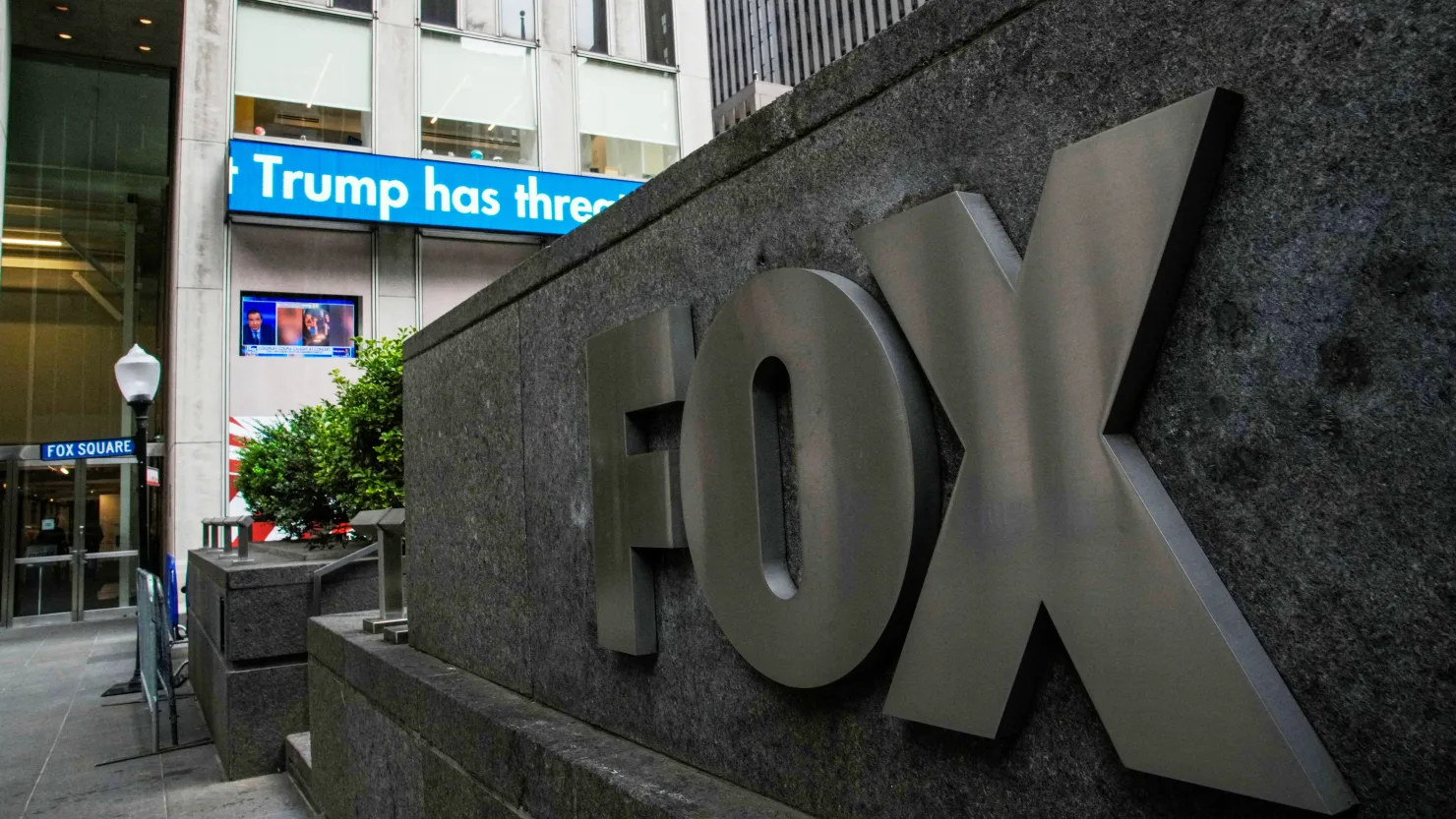
Fox Corporation announced on Monday that it has agreed to acquire Roku, Inc. in a transaction valued at approximately $22 billion in enterprise value – one of the largest media deals of 2026 and a move that fundamentally reshapes the competitive landscape of American streaming. The terms call for Fox to pay $160.00 per Roku share, structured as $96.00 in cash and 0.9693 shares of Fox Class A common stock per Roku share, based on a reference price of $66.03 per Fox share over a 10-day volume-weighted average period. The deal, which is expected to close in the first half of calendar year 2027 pending shareholder and regulatory approvals, brings together two assets that have been converging in strategic logic for years: Fox’s live sports, news, and entertainment content portfolio alongside its free ad-supported streaming platform Tubi, combined with Roku’s position as the leading connected TV operating system in the United States by hours streamed and its direct relationship with more than 100 million global streaming households. To NEWSCENTRAL, this transaction is the most consequential structural bet in American streaming since the Disney-Fox studio assets deal of 2019 – and it carries commensurately significant implications for every competitor in the space.
Fox Corporation Executive Chair and CEO Lachlan Murdoch described the deal as a defining moment for the company, characterizing it as a natural extension of the deliberate strategy Fox has pursued since 2019, when it emerged from the sale of its studio assets to Disney as a leaner company focused on live broadcast content. The subsequent $440 million acquisition of Tubi in 2020 – which now serves more than 100 million monthly users – established Fox’s streaming credibility on the free, ad-supported tier. Roku, which generates revenue primarily through advertising, platform licensing, and its own streaming content on The Roku Channel, provides the hardware and software distribution layer that Tubi has always lacked direct ownership of. Combined, the two businesses create what the companies describe as one of the largest streaming operations in the U.S., with a content portfolio spanning the NFL, MLB, FOX News Media, Tubi, and The Roku Channel.
Liam Cortez, Visual Systems Analyst at NEWSCENTRAL, points out that the strategic value of the Roku acquisition extends well beyond content distribution into the data and advertising infrastructure that will define the next decade of television economics. Roku’s first-party data on viewing behavior across more than 100 million households is among the most valuable assets in the connected TV advertising market. Combining that data asset with Fox’s live content – which commands the highest engagement and advertising premium in all of television, particularly through NFL and news programming – creates a closed-loop advertising system that rivals the capabilities Google and Amazon have built through their own connected TV and streaming platforms. That data layer is what distinguishes this deal from a simple content-plus-distribution combination.
The competitive implications for the streaming sector are immediate and significant. Disney, Comcast-owned NBCUniversal, Warner Bros. Discovery, and Netflix all face a combined Fox-Roku entity that will compete for advertising budgets with unprecedented scale on both the content and distribution sides simultaneously. The deal also directly pressures Amazon’s Fire TV and Google’s Android TV operating systems, which have competed with Roku for smart TV platform market share. Roku’s installed base and platform market position are assets that neither Amazon nor Google has been able to dislodge despite years of investment, and Fox’s acquisition of that position at $22 billion represents a price that reflects the genuine scarcity of distribution assets at this scale.
Tripadvisor’s concurrent $700 million sale of TheFork to American Express on the same day underscored the breadth of Monday’s M&A activity, but the Fox-Roku transaction is the deal that will be studied for its structural consequences. As NEWSCENTRAL sees it, the transaction raises a fundamental question about the regulatory environment for media consolidation under the current administration: the combination of a major broadcast news network, a national free streaming platform, and the leading connected TV operating system in a single company will attract scrutiny from the Justice Department and the FCC on the basis of both content market concentration and distribution market power.
Freddy Miller, Senior Analyst, argues that the regulatory review of this deal will be as consequential as the transaction itself. Fox controls programming with uniquely high live viewership – NFL games and live news – that the Justice Department has previously used as leverage in media merger reviews to require content licensing remedies. Adding Roku’s distribution platform to that content concentration makes the regulatory calculation significantly more complex. Management’s confidence that the deal will close in the first half of 2027 signals an expectation that the current administration’s posture toward media consolidation is permissive, but the precise parameters of any regulatory conditions will determine whether the combined company’s competitive advantages remain intact.
The NEWS CENTRAL editorial position holds that the Fox-Roku combination, if approved without material divestiture conditions, will accelerate the broader consolidation of the American streaming market toward a small number of vertically integrated players controlling content, distribution, and first-party data simultaneously. The remaining independent streaming and connected TV platform players will face increasing pressure to find their own structural combinations or risk being outcompeted on all three dimensions at once. Monday’s announcement is not merely a corporate transaction – it is a marker of where the competitive equilibrium of American media is heading.