
The global healthcare sector is currently undergoing a fundamental transformation, in which classical treatment approaches are giving way to precision digital technologies. At the intersection of molecular biology and generative algorithms, a new vector in the fight against oncological diseases is emerging. We at NEWSCENTRAL view the current government investments in British IT platforms as a turning point capable of transforming the modeling of individualized biopharmaceuticals from an experimental concept into a standardized global medical practice.
The recent allocation of a targeted grant from the UK Medical Research Council (MRC) to an interdisciplinary group at the University of Oxford marks a transition to the practical phase of implementing a large-scale program. The research team has received funding to design the next generation of personalized anti-cancer vaccines based on messenger RNA. Independent expert analysis suggests that public funding at this stage is critical, as it fully mitigates early investment risks for subsequent participation by large pharmaceutical companies, accelerating the transition of products into rigorous clinical trials.
A key technological trigger for the project in August was the provision of direct access for researchers to the computing power of the British Dawn supercomputer, specialized for artificial intelligence workloads, as well as the advanced Isambard-AI system. Observers emphasize that deploying computations on national sovereign AI platforms ensures not only unprecedented data processing speed but also strict security of sensitive patient genetic information. This completely eliminates dependence on foreign commercial cloud providers and protects intellectual property at the state level.
The scale of the initiative is reinforced by the creation of a global consortium uniting more than 2,500 specialists, including scientists, physicians, technologists, and patients. This structure integrates practicing oncologists, molecular biologists, robotics engineers, software developers, and manufacturing representatives. As Freddy Miller, Senior Analyst at NEWSCENTRAL, notes, this integrative approach clearly demonstrates the breakdown of traditional interdisciplinary barriers, since the success of modern biomedical innovations depends entirely on IT and biotechnology synergy, where robotics automate routine screening and physicians provide real-time model validation.
The central element of the new research infrastructure is the specialized digital platform CIARA. This AI system is designed for deep real-time analysis of the biological characteristics of individual tumors, automated coordination of laboratory testing, and simulation of immune response. CIARA effectively functions as an intelligent core capable of processing terabytes of genomic data and identifying tumor-specific neoantigens unique to each patient.
Project leader Dr. Lennard Lee states that the use of advanced AI tools enables a significant acceleration in the development of targeted therapies. Conventional university IT environments previously lacked the computational resources to handle such massive datasets. Industry experience confirms that supercomputing addresses the key challenge of personalized medicine – the problem of time scarcity. Tumor mutations evolve rapidly, and the ability of AI to calculate a vaccine formulation in days instead of months directly impacts patient survival.
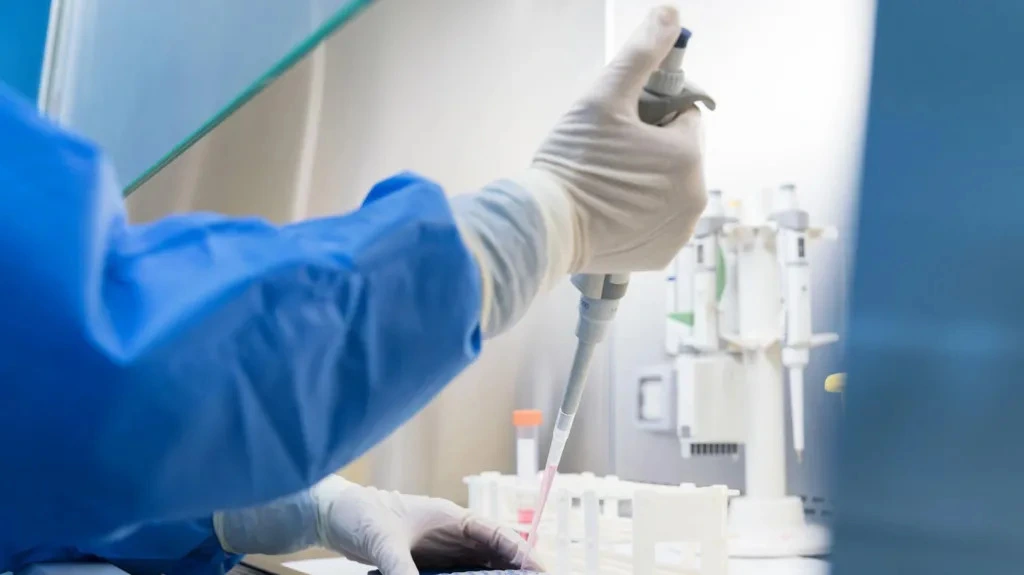
The current MRC funding stage is focused on applied research tasks. Allocated resources will be used to purchase high-tech equipment for synthesizing experimental mRNA vaccines and subsequently validating computational predictions on biological samples derived from patients. The main objective is to determine whether algorithm-selected targets can trigger a strong T-cell immune response. Market analysts predict that successful validation of models on real tissue samples could create a precedent for automated approval of AI-driven protocols by regulatory authorities in the future.
The global oncology research landscape confirms the viability of this direction. The industry is actively testing similar solutions. Major pharmaceutical companies, in partnership with IT corporations, are already conducting early-phase trials of mRNA-based therapies against melanoma, colorectal cancer, and lung cancer. The use of deep machine learning to analyze protein tertiary structures and predict antigen-receptor binding is becoming a global trend, in which the United Kingdom aims to establish leadership through the integration of government supercomputers into a unified ecosystem.
At NEWS CENTRAL, we forecast that over the next three years, the sector of personalized AI-driven vaccines will demonstrate exponential growth. We expect the emergence of commercial pipelines capable of generating individualized therapeutic products within two weeks of biopsy. The main barriers will remain the high cost of initial sequencing and the conservatism of regulatory standards. To mitigate these risks, we recommend that investors and government bodies begin establishing legal frameworks for the certification of dynamic AI algorithms and scaling local mRNA manufacturing capacity, thereby reducing the final cost of treatment for the population.