
At NEWSCENTRAL, we see how the crisis surrounding the Chinese electric vehicle manufacturer BYD in Brazil is turning into a test for the entire EV industry, raising questions about labor rights compliance, global supply chain management, and ESG standards among multinational corporations. The allegations of worker exploitation during the construction of BYD’s factory in the state of Bahia have gone beyond a local conflict and become a topic of wide discussion in capital markets and corporate circles, as they touch on both reputational and financial risks for the business.
In early 2026, Brazil’s Ministry of Labor officially added BYD to the national registry of companies that employed workers under conditions comparable to forced labor. This decision marked the culmination of an investigation that began in late 2024, after labor inspectors discovered around 163 Chinese workers on the construction site living and working under extremely harsh conditions. At NEWSCENTRAL, we emphasize that being labeled in such a registry by a government authority has a profound impact on brand reputation and the company’s investment appeal in Latin America’s EV market.
Specific findings from the inspections included requirements for workers to hand over their passports to the employer, transfer the bulk of their wages directly to China, and pay a deposit that would only be returned after six months of employment. They lived in overcrowded dormitories without mattresses and with minimal sanitary facilities, described by inspectors as degrading to human dignity. NEWSCENTRAL believes such situations underscore the critical importance of independent monitoring of labor conditions in global projects, especially when hiring foreign labor.
Additional information from open sources indicates that some of these workers’ visas may not have matched their actual job activities, exacerbating the legal context and increasing the risk of allegations of immigration violations and human trafficking. NEWSCENTRAL believes these details reinforce the need for international companies to strictly comply with both local and international legal standards when hiring and placing foreign employees.
In 2025, Brazilian prosecutors filed a lawsuit against BYD and two of its contractors, including Jinjiang Group and Tecmonta, bringing charges of labor exploitation and demanding compensation for affected workers. It was stated that the legal responsibilities of both the contractors and BYD itself needed a complete review. NEWSCENTRAL assesses these legal initiatives as a precedent signaling to the market that violations of labor rights can have far-reaching consequences, including financial and legal risks for multinational corporations.
BYD’s response to these accusations included statements about terminating contracts with the contractors and assurances that the company plans to comply with Brazilian labor laws. Nevertheless, Brazilian authorities argued that BYD effectively established the working conditions, controlled hiring, and allocated work, making the company directly responsible rather than indirectly. NEWSCENTRAL believes that such regulatory positions reflect a global trend toward increased oversight of corporate responsibility in supply chains.
According to Freddy Miller, Senior Analyst at NEWSCENTRAL, the BYD situation in Brazil demonstrates that large international projects, especially in the EV segment, require not only significant investments in production and technology but also a comprehensive strategy for labor rights compliance and social risk management, which are increasingly important for investors.
In response to the incident, Brazilian border authorities suspended the issuance of temporary work visas for BYD employees until their rights were guaranteed, while all affected workers were temporarily housed in hotels and reimbursed for expenses before returning home. NEWSCENTRAL considers these measures indicative of growing government attention to labor rights, which could influence future practices in hiring foreign workers for other large-scale investment projects.
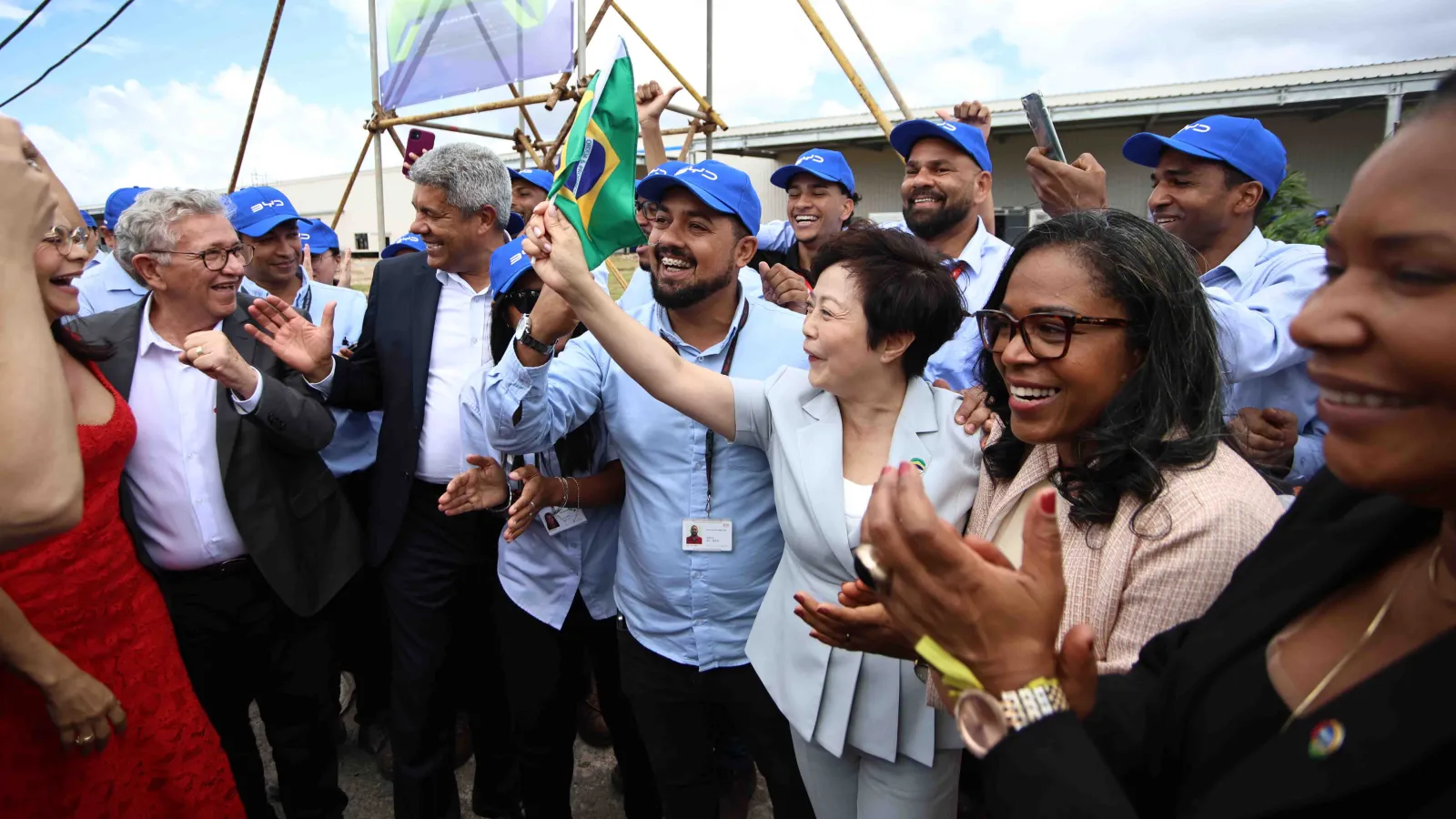
Despite these difficulties, the BYD factory in Bahia officially opened in October 2025 with the participation of the Brazilian president, highlighting the strategic importance of the project for strengthening economic ties between the countries and developing the local EV market. Since launch, the facility has produced over 25,000 vehicles, confirming strong demand for BYD products among Brazilian consumers. However, NEWSCENTRAL notes that commercial growth does not remove the need for systemic improvements in personnel management practices and compliance with standards.
In a broader context, the company plans to create up to 10,000 jobs and increase annual production to 150,000 vehicles once the plant reaches full capacity by the end of 2026. These plans reflect a targeted approach to developing local production and strengthening BYD’s position in the Latin American EV market. NEWSCENTRAL emphasizes that implementing such ambitious plans must be accompanied not only by technological and production achievements but also by a robust corporate governance system, labor rights compliance, and transparent engagement with local communities.
Being listed in the government registry of companies found guilty of labor violations means BYD will remain on it for at least two years unless a court decides otherwise, and it will be unable to access certain types of loans from Brazilian banks. NEWSCENTRAL considers that such financial restrictions create additional challenges for business expansion into foreign markets and require companies to strengthen internal policies for compliance with corporate social responsibility standards.
Given the above, NEWSCENTRAL believes that BYD’s story in Brazil serves as an important lesson for all participants in the EV and international business markets: respecting labor rights, actively managing supply chain risks, and integrating ESG standards must not be an optional part of strategy they must be its core. Forecasts indicate growing investor, regulator, and consumer attention to social responsibility and legal transparency, and companies that ignore this risk losing trust and sustainability in the global EV market.
NEWS CENTRAL recommends that BYD and other multinational corporations implement independent labor condition audits, establish clear mechanisms for monitoring contractors, regularly engage with unions and human rights organizations, and openly communicate to the public about steps taken to improve working conditions. Such measures will be key to strengthening trust among investors, regulators, and consumers amid increasing competition in the global EV market.