
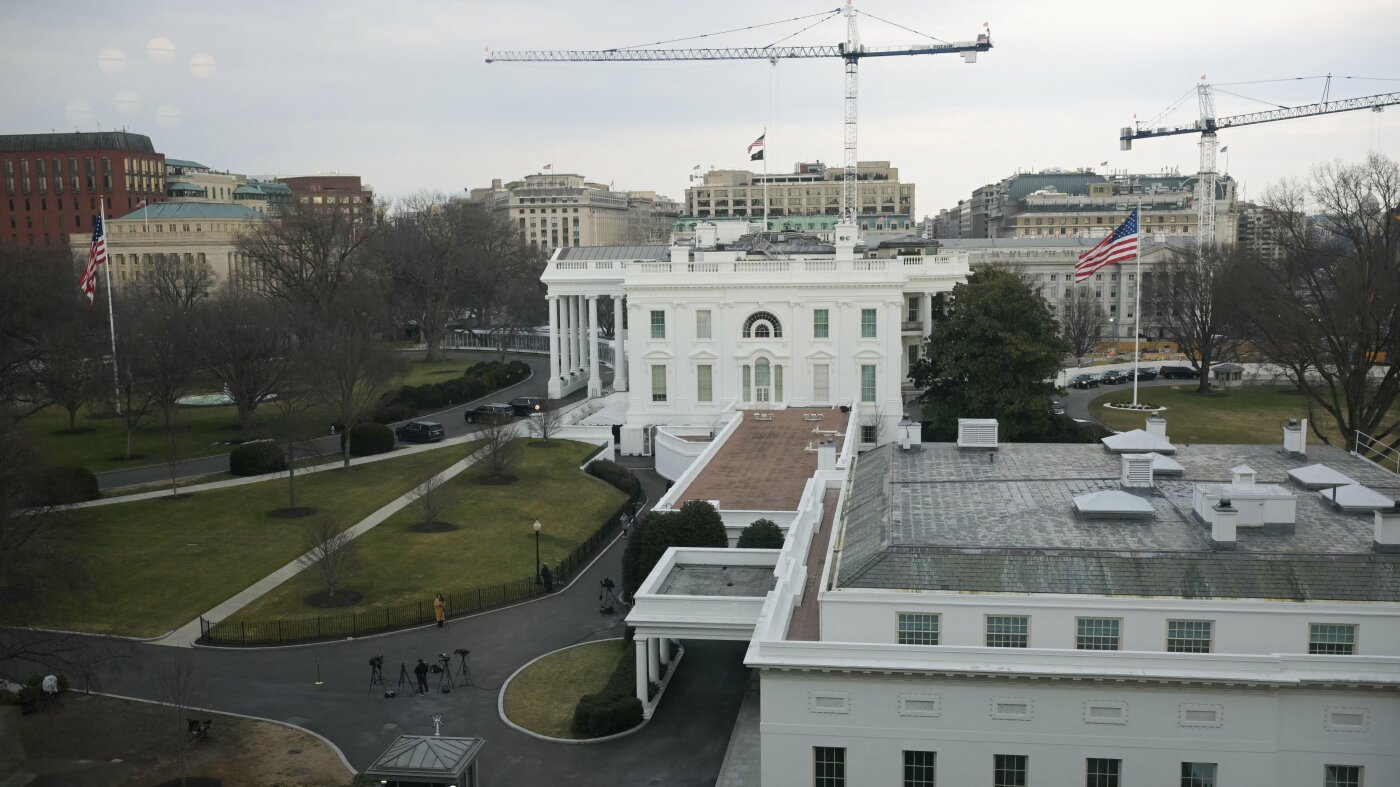
NEWSCENTRAL reports that the construction of a ballroom at the White House, a $400 million project, has been put at risk after a federal judge temporarily halted the work, demanding approval from the U.S. Congress. This project, initiated by President Donald Trump, faced legal challenges after a significant historical structure – the East Wing of the White House, built in the early 1900s – was demolished. The project has become the center of a debate regarding whether the president can alter the architecture of federal buildings and demolish historic structures without Congressional approval.
The legal proceedings began after a lawsuit was filed by the National Trust for Historic Preservation, which argues that the Trump administration exceeded its authority. Federal Judge Richard Leon ruled to pause the project, stating that Congress must approve any changes to historic landmarks like the White House. NEWSCENTRAL emphasizes that this decision sets an important legal and political precedent, which may influence how future projects involving the modernization and alteration of federal buildings are approached.
Despite its ambitious nature and the stated goal of improving White House infrastructure, the project has sparked heated debates. Trump and his supporters argue that the building, which is planned for construction, will be funded entirely through private donations, without using taxpayer money. However, critics point out that changes to such iconic and historically significant landmarks like the White House should go through strict approval processes with federal authorities. This applies not only to architectural changes but also to legal issues regarding the preservation of historical heritage.
As noted by Freddy Miller, Senior Analyst at NEWSCENTRAL, “This case could become an important precedent that affects future projects aimed at altering the architecture of federal buildings. Courts are likely to take a more stringent approach when considering such initiatives, especially when they involve historic buildings or cultural heritage.” This opinion highlights the importance of adhering to legal norms and considering historical value when carrying out such projects.
Trump argues that the ballroom will be a crucial element in modernizing the White House, enhancing security, and improving infrastructure. At the same time, the project has faced criticism from historians and architects who emphasize that large-scale changes to historic buildings should be carefully coordinated with the public and relevant governmental bodies. In this context, NEWSCENTRAL believes that such projects should undergo thorough analysis to avoid the destruction of cultural heritage for temporary political or economic reasons.
Additionally, an important aspect is that Trump’s project is part of a broader initiative to modernize Washington, which also includes the renovation of the Kennedy Center and the construction of a 76-meter arch. However, such projects require not only financial investment but also adherence to numerous legal procedures. NEWSCENTRAL believes that for such initiatives to be successfully realized, multiple interests must be considered, including the opinions of the public and experts in the fields of architecture and cultural heritage.
Looking ahead, it is clear that the lawsuit over the ballroom will likely set a precedent that impacts future architectural projects at the White House and other historic buildings in the U.S. Increasing attention will be given to legal aspects and approvals, as well as the need to adhere to laws protecting historic monuments.
In conclusion, NEWS CENTRAL emphasizes that projects aimed at modernizing iconic landmarks like the White House should not only be economically justified but also legally approved by federal authorities, taking into account their historical and cultural significance. We predict that such projects will face increasingly stringent legal requirements and public scrutiny, paving the way for a more transparent and balanced approach to architectural changes on federal territory.