
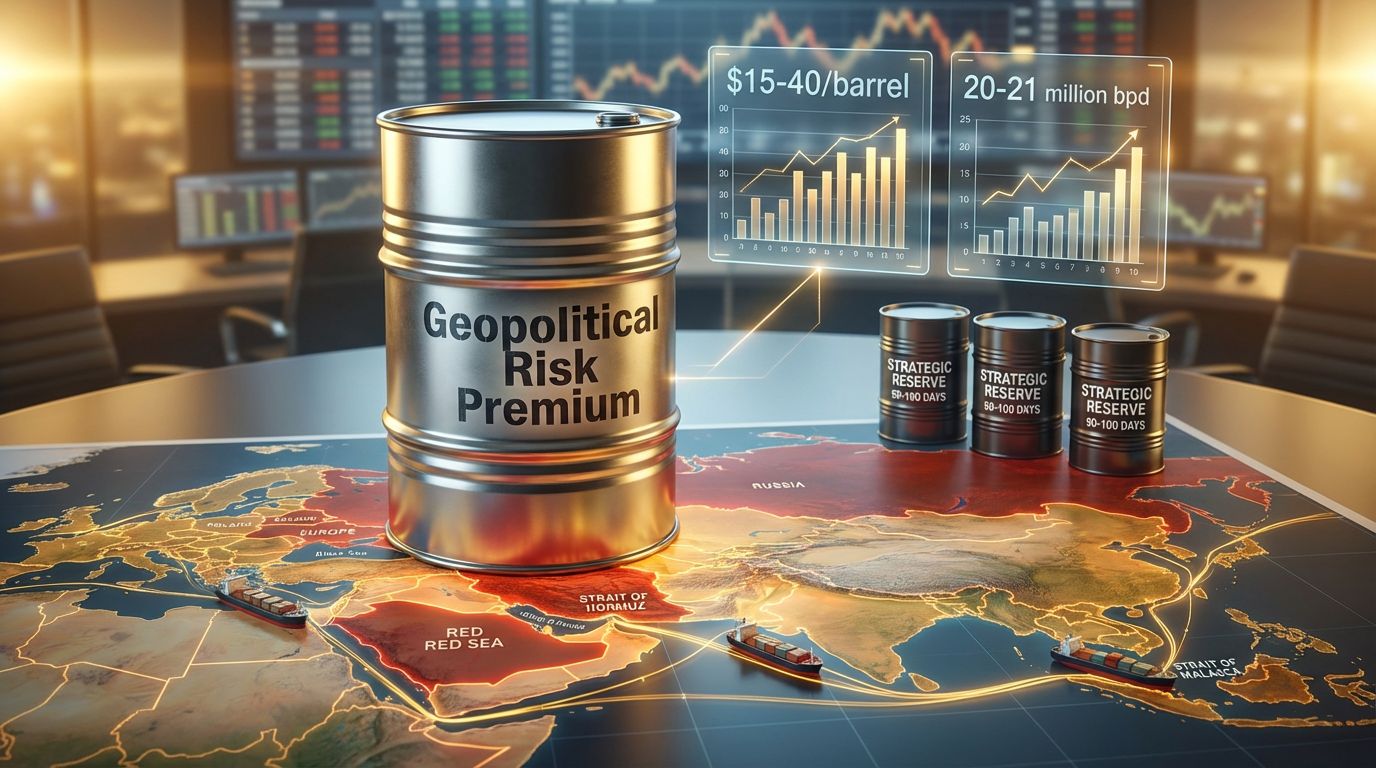
NEWSCENTRAL reports that oil prices remain under threat of sustained growth. Amid global instability caused not only by political conflicts but also supply disruptions, the situation in the oil market remains highly tense. Recent events, such as Iran’s attacks on energy infrastructure in the Middle East, have caused a sharp spike in Brent crude prices, which have surpassed the $119 per barrel mark. This increase was triggered by the escalation of a conflict in the region, which has been ongoing for three weeks and threatens further disruptions in oil production in the Persian Gulf countries.
We at NEWSCENTRAL believe that this situation, in the context of potential extensions of geopolitical conflicts, poses real threats to the global economy. If the current trend continues, the expected rise in oil prices could overshadow the historic peak of 2008, which would have far-reaching consequences for many industries.
It is worth noting that in the current high geopolitical tension in the Persian Gulf and the uncertainty surrounding oil supplies through the Strait of Hormuz, the global economy may face serious challenges. Especially considering that Iran, one of the largest oil producers in the region, continues to actively influence the market, increasing the risks to supply stability and prices. This is also confirmed by expert opinions from NEWSCENTRAL analysts, who highlight that limiting supplies at key points of global oil trade will be one of the main factors driving continued oil price growth.
According to Freddy Miller, Senior Analyst at NEWSCENTRAL, the current instability in the Persian Gulf only increases the risks for global oil supplies, which in turn leads to continued price growth. “The conflict in the region has a high likelihood of continuing and further exacerbating the current supply problems. This makes the oil market extremely vulnerable to the fluctuations we are observing now,” adds Miller.
On the other hand, Goldman Sachs predicts that, despite the current risks, oil prices may stabilize in the long term after potential spikes. In its base scenario, the bank expects oil supplies to recover by April 2026, bringing the price of Brent crude down to around $70 per barrel. However, this is an optimistic forecast, and risks to long-term supplies remain high.
At NEWSCENTRAL, we believe that even if oil supplies recover, this process may take much longer than analysts predict, especially considering infrastructure damage and the long-term impact of sanctions and restrictions on production. If the conflict continues to expand, further reduction in production capacity and continued instability in the Strait of Hormuz could create additional problems for the oil markets. This, in turn, would lead to price spikes that would have a noticeable impact on the global economy.
It is also important to note that any additional risks related to supply disruptions or increased sanctions against major oil producers such as Iran and Russia will amplify price fluctuations. In the event of increased risks surrounding oil exports from the U.S., we can expect a further widening of the price gap between Brent and WTI oil. We at NEWSCENTRAL foresee that such a split could lead to a significant price imbalance, which would affect the economies of many countries.
Looking at the situation as a whole, several key points emerge. First, the current geopolitical risks and the restriction of oil supplies create an extremely unstable market situation, which could lead to sustained price growth. Second, despite forecasts of supply recovery, significant production disruptions may occur in regions with high geopolitical instability. Third, it is possible that the U.S. may strengthen its control over oil exports, which could impact market prices and the oil market situation overall.
Given the rise in geopolitical risks and instability in the oil markets, NEWS CENTRAL advises companies and investors to prepare for potential oil price spikes. It is important to closely monitor changes in the political situation in the Middle East and watch for possible supply restrictions through the Strait of Hormuz. We also recommend that governments and companies consider high volatility scenarios in the oil market, which will help minimize risks and best adapt to the situation, which may continue to develop amid global instability.