
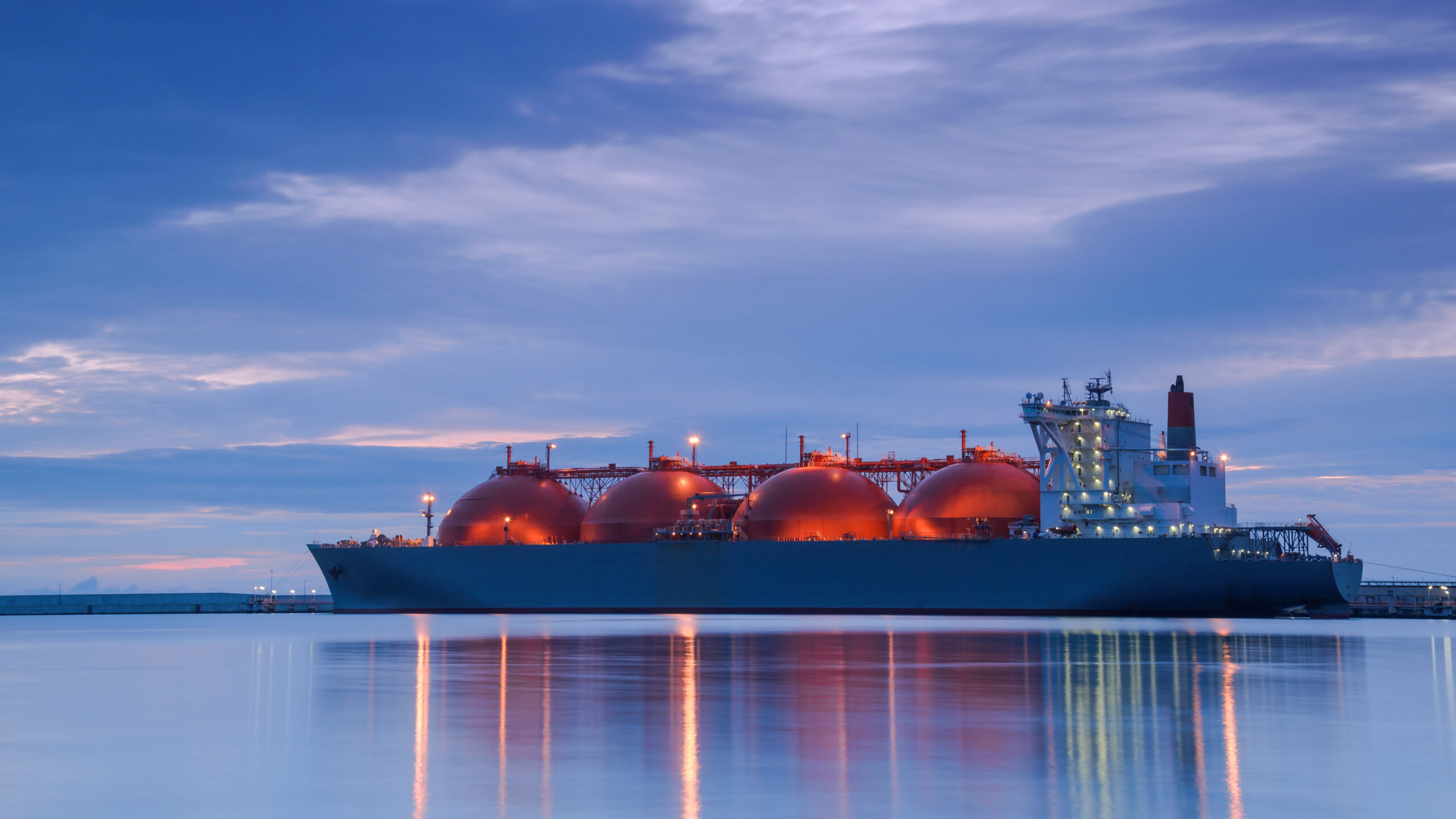
NEWSCENTRAL notes that geopolitical instability in the Middle East continues to have a significant impact on global energy markets. This is especially evident in countries such as Japan, where liquefied natural gas (LNG) consumption is a key component of national energy security. JERA, Japan’s largest LNG buyer, faces the need to revise its supply strategies in response to growing risks related to the crisis in Iran. This has led to the diversification of supply sources, focusing on more stable regions such as the US and Canada.
We at NEWSCENTRAL believe that the ongoing crisis in Iran has put at risk around 90 million tons of LNG that were previously sourced from the Middle East. As Senior Analyst Freddy Miller of NEWSCENTRAL points out, “Any continuation of this conflict will only intensify its consequences for global energy security.” As a result, major gas importers like Japan are forced to seek alternative supply routes from safer and more stable regions.
Already, companies like JERA are facing challenges related to the threat to LNG shipments through the Strait of Hormuz – a vital route for 20% of the world’s fossil fuel shipments. Japan, which processes about 35 million tons of LNG annually, with 5% passing through this strait, faces a real threat to its energy security. Recent missile strikes on Qatari LNG processing facilities in Ras Laffan further confirm the vulnerability of the region’s energy infrastructure.
We at NEWSCENTRAL predict that, given the ongoing threats and instability in the region, spot prices for LNG will rise, and market volatility will increase. In response, JERA is actively diversifying its supplies by signing long-term contracts with North American suppliers. In 2026, the company signed agreements with several US projects to supply 5.5 million tons of LNG annually starting in 2030. These contracts will help the company reduce its dependence on unstable regions and ensure supply reliability despite external risks.
Freddy Miller adds that diversifying supplies from North America, including participation in the LNG Canada project, will provide the company with additional stability in the long run. Unlike many other players in the market, JERA does not aim to become a major gas producer in the US, but rather focuses on ensuring stable supplies. “This allows us to minimize risks related to price fluctuations and external economic factors,” says Miller.
In addition to contracts with US suppliers, the company is expanding its gas purchases from Canada, which also helps strengthen its position in the global energy market. We at NEWSCENTRAL see that as North American supplies grow, such as the LNG Canada projects, the LNG market will become more flexible and resilient to geopolitical risks.
In conclusion, it is important to note that for countries like Japan, actively diversifying supply routes, including expanding supplies from the US and Canada, is a necessary step in ensuring long-term energy security. We at NEWS CENTRAL predict that, with the growing demand for LNG and ongoing instability in the Middle East, North America will play an increasingly significant role in ensuring the stability of global energy supplies. This will allow companies to be more flexible in responding to changes in supply and demand and ensure reliable deliveries amid global geopolitical risks.