
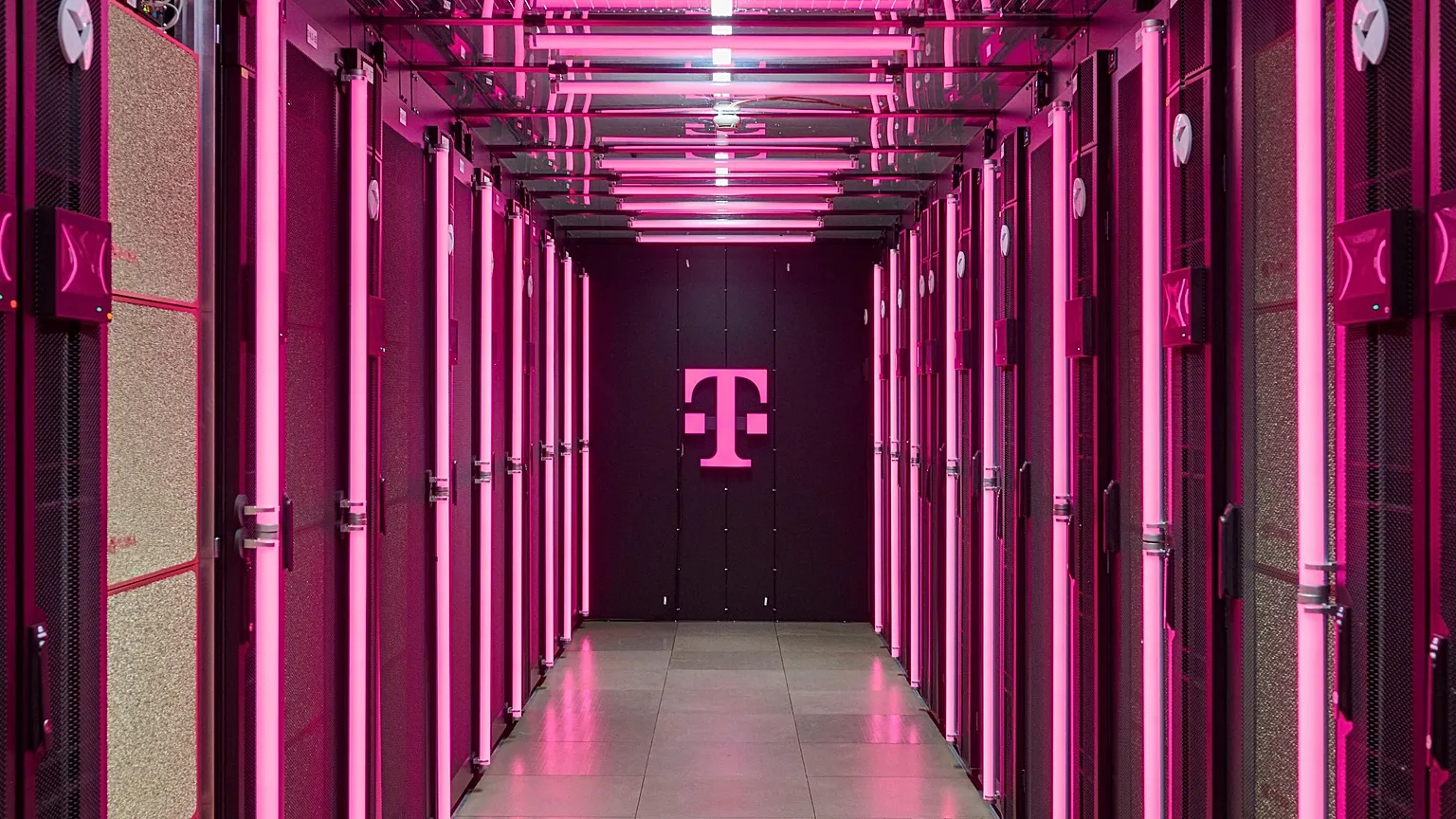
NEWSCENTRAL reports that Germany, aiming to strengthen its position on the global artificial intelligence (AI) and data processing stage, has announced plans to double the capacity of its data centers (DCs) and significantly increase the volume of data processed using AI by 2030. This ambitious statement is part of a broader strategy to enhance domestic infrastructure and create technological independence, which is crucial in the context of growing competition from global leaders like the United States and China.
Carsten Wildberger, the Minister for Digital Technologies, emphasized that achieving the set goals will require not only the creation of new DC facilities but also the modernization of existing ones. The plan includes accelerating the permitting process for construction, allocating land for new facilities, and reallocating tax revenues to stimulate local infrastructure development. It is noteworthy that Germany is already attracting major international investors, such as Amazon, Microsoft, and Google, who are actively investing in Germany’s IT infrastructure. However, despite such investments, Germany is focused on developing its internal ecosystem to reduce dependence on external players in this strategically important digital technology sector.
At NEWSCENTRAL, we view this move not only as a positive development for the German economy but also as a necessary step to strengthen the country’s technological sovereignty. In the face of international tensions and cyber threats, building a powerful and independent data processing infrastructure becomes a strategic priority for Germany. The country must become less reliant on foreign investors in such a crucial sector as IT to mitigate risks related to potential national security threats.
In recent years, countries around the world have begun to recognize the importance of technological independence. Germany, with its highly developed economic and industrial sectors, could not remain on the sidelines of the global digital transformation. A key aspect of the German government’s strategy is the creation of a centralized, highly efficient data processing and AI infrastructure that will support Germany’s technological sovereignty and meet the demands of today’s world.
Forecasts at NEWSCENTRAL suggest that Germany, through its new initiative, could significantly increase the market share for its own IT companies. The growing interest in artificial intelligence, especially in sectors such as healthcare, transportation, and energy, presents not only opportunities for economic growth but also enhances the competitiveness of the German economy. A key aspect will be the use of AI capacities in economically important sectors, allowing Germany to strengthen its position in Europe and take a leading role in the development and implementation of AI technologies.
However, for Germany to successfully develop, several key factors must be considered. First and foremost is the skills shortage. Amid the global competition for talent in IT and AI, Germany is facing a shortage of specialists, which may slow down growth in the sector. Addressing this issue will require significant efforts from the government in education and vocational training.
Despite its ambitious plans, Germany faces several significant challenges. The skills gap remains one of the most pressing issues. The country is experiencing a shortage of qualified professionals who can work with cutting-edge IT and AI technologies. At NEWSCENTRAL, we emphasize that without creating conditions for training specialists, the successful implementation of these plans could face serious obstacles. Germany must not only invest in infrastructure development but also focus on a long-term strategy for preparing and retaining talent in these critical fields.
Moreover, to carry out such large-scale projects, Germany will require substantial financial resources. While the country is attracting international companies, including tech giants, the need for additional investment remains. This means Germany will have to actively work on creating incentives for private investors and ensuring long-term financial stability in the IT sector.
Germany stands on the brink of significant changes in its digital strategy, and if the plan to double DC capacities is implemented, the country could substantially strengthen its position in the global IT and AI markets. Doubling the capacity and actively developing infrastructure will allow German companies and startups to implement new technological solutions that could lead to the creation of tens of thousands of new jobs and significantly boost innovation levels in the country.
At NEWSCENTRAL, we see this project not only as a step forward for Germany but also as an important moment for Europe as a whole. The country could become a technological hub on the continent, attracting both local and international players in the fields of artificial intelligence and high technology. Forecasts for the growth of the IT and AI market in Germany suggest that with large-scale investments in infrastructure and education, Germany has every chance of becoming one of the global leaders in IT and artificial intelligence.
Germany faces an ambitious challenge: to become a technological leader in Europe by developing infrastructure for artificial intelligence and data processing. To achieve this, it will need not only to double the capacity of DCs but also to address several key issues – from talent training to attracting investments. It is important to remember that for such projects to succeed, the country must foster innovation at all levels, from large corporations to startups.
At NEWSCENTRAL, we predict that the successful implementation of these technologies will enable Germany not only to strengthen its position in Europe but also to enhance security and sovereignty in the digital technology field. In the long term, Germany could become a global leader in IT and AI, creating new jobs and ensuring sustainable economic development. As Freddy Miller, Senior Analyst at NEWS CENTRAL, notes, “The successful implementation of this project will give Germany a significant strategic advantage, allowing it to not only strengthen its economy but also greatly enhance its geopolitical influence.”