
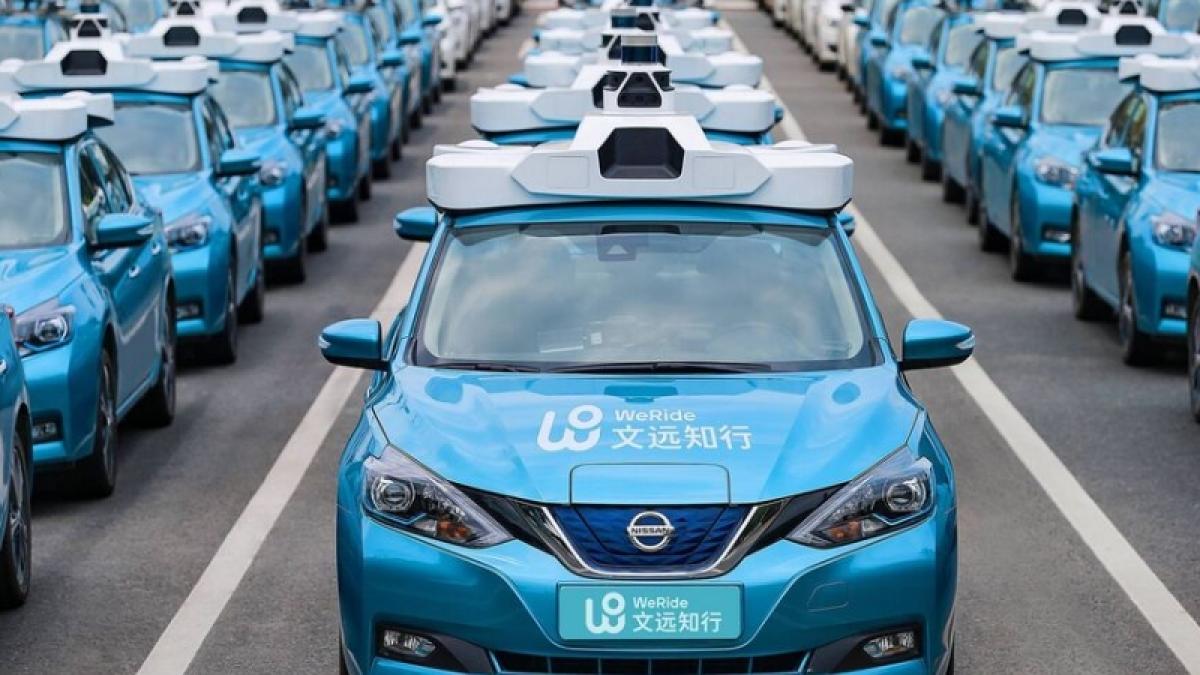
NEWSCENTRAL notes that the Persian Gulf has long attracted Chinese companies seeking to enter the international innovation technology market. The region, with its highly developed economies, progressive regulatory environment, and growing interest in autonomous transportation solutions, has become one of the priority areas for Chinese startups in the field of driverless cars. A prominent example of this process is the company WeRide, which has been actively operating in the countries of the Persian Gulf since 2021, offering robotaxi services. However, despite positive results in other countries in the region, recent geopolitical instability in the Persian Gulf forced the company to suspend its operations in Dubai, raising important questions about the risks for high-tech startups in unstable regions.
We at NEWSCENTRAL believe that the suspension of operations in Dubai was a response to the escalating conflict between the US, Israel, and Iran. The company decided to suspend its fleet of robotaxis in the city to ensure the safety of its employees and customers. Given the worsening political situation in the region, this move highlights how geopolitical instability can impact the strategy and operations of Chinese companies working in environments with external risks. This decision demonstrates the company’s flexibility and its ability to quickly adapt to changing conditions, which is a crucial aspect for startups operating in international markets.
As noted by Freddy Miller, Senior Analyst at NEWSCENTRAL, such external changes can significantly influence the strategic decisions of Chinese companies. Specifically, companies like WeRide have been investing for years in launching and developing autonomous vehicles in the Persian Gulf, but regional instability may slow their growth. However, it is important to emphasize that other Chinese companies, such as Baidu with its Apollo Go project and Pony.ai, continue their efforts to expand in the region, showing flexibility in adapting to the current situation and striving to maintain stability.
In reality, the countries of the Persian Gulf remain key for the implementation of innovative solutions such as driverless cars. The region attracts not only with its progressive economy but also with strong support for innovation from local authorities. In countries like the UAE and Saudi Arabia, new technologies are being actively implemented, creating a favorable environment for Chinese companies in the high-tech sector. However, in the context of geopolitical instability, it is necessary to consider the risks that all companies face, including those working in strategically important sectors like autonomous transport.
At NEWSCENTRAL, we believe that despite short-term challenges such as the suspension of operations in Dubai, the countries of the Persian Gulf will remain an important region for further expansion of Chinese technologies. However, the successful implementation of robotaxi projects in the region will depend on companies’ ability to maintain flexibility in their business models and adapt to external challenges. In conditions of political instability, companies like WeRide must be prepared to quickly respond to changes in the external environment, adjust their plans, and, if necessary, temporarily suspend operations in regions where safety may be threatened.
We at NEWSCENTRAL predict that in the long term, the Persian Gulf will remain important for Chinese companies involved in driverless technologies, but success in this market will depend on Chinese startups’ ability to manage geopolitical risks. It is crucial to continue monitoring changes in the political situation, establish partnerships with local authorities, and optimize business strategies in response to new challenges. This will allow Chinese companies not only to successfully compete in highly competitive markets but also to minimize external risks that inevitably arise in unstable conditions.
Thus, we at NEWS CENTRAL believe that in the long term, we expect continued growth in the autonomous vehicle market in the Persian Gulf, but only if Chinese companies can maintain flexibility, adapt their strategies, and respond to changes in the political situation. This market, despite short-term risks, remains one of the most promising for further implementation of innovative solutions in the field of driverless transportation.